Common Microtome Problems and How to Fix Them
Common microtome problems are often the first sign that something in your histology workflow needs attention. Histology labs depend on precision, and when equipment such as tissue processors, cryostats, and microtomes begins to show inconsistencies, the impact is immediate – workflow delays, compromised samples, and increased costs.
Among these issues, microtome-related defects such as chatter, uneven sectioning, or inconsistent thickness are the most noticeable. However, many of these problems originate upstream, from tissue-processing errors or cryostat performance issues.
At Mercedes Histology Equipment, our team understands how interconnected your lab equipment is, which is why we provide guidance not only on fixing problems but also on preventing them from disrupting your workflow.
Understanding the most common equipment problems and how to fix or prevent them can significantly improve lab efficiency and extend the life of your instruments.
1. Gritty Wax and Contamination in Tissue Processors
A common issue across many systems, including Sakura VIPE300, Sakura VIP5, Sakura VIP6, Sakura VIP6ai, Leica Peloris, Leica ASP300S, Slee MTM, Cellutec, and Epredia models (all trademarks belong to their respective owners), is gritty debris in wax stations.
This often appears as crystals, sand-like particles, or cloudiness.
Causes:
Why This Matters for Microtome Problems
Contaminated wax leads to:
Preventive Steps:
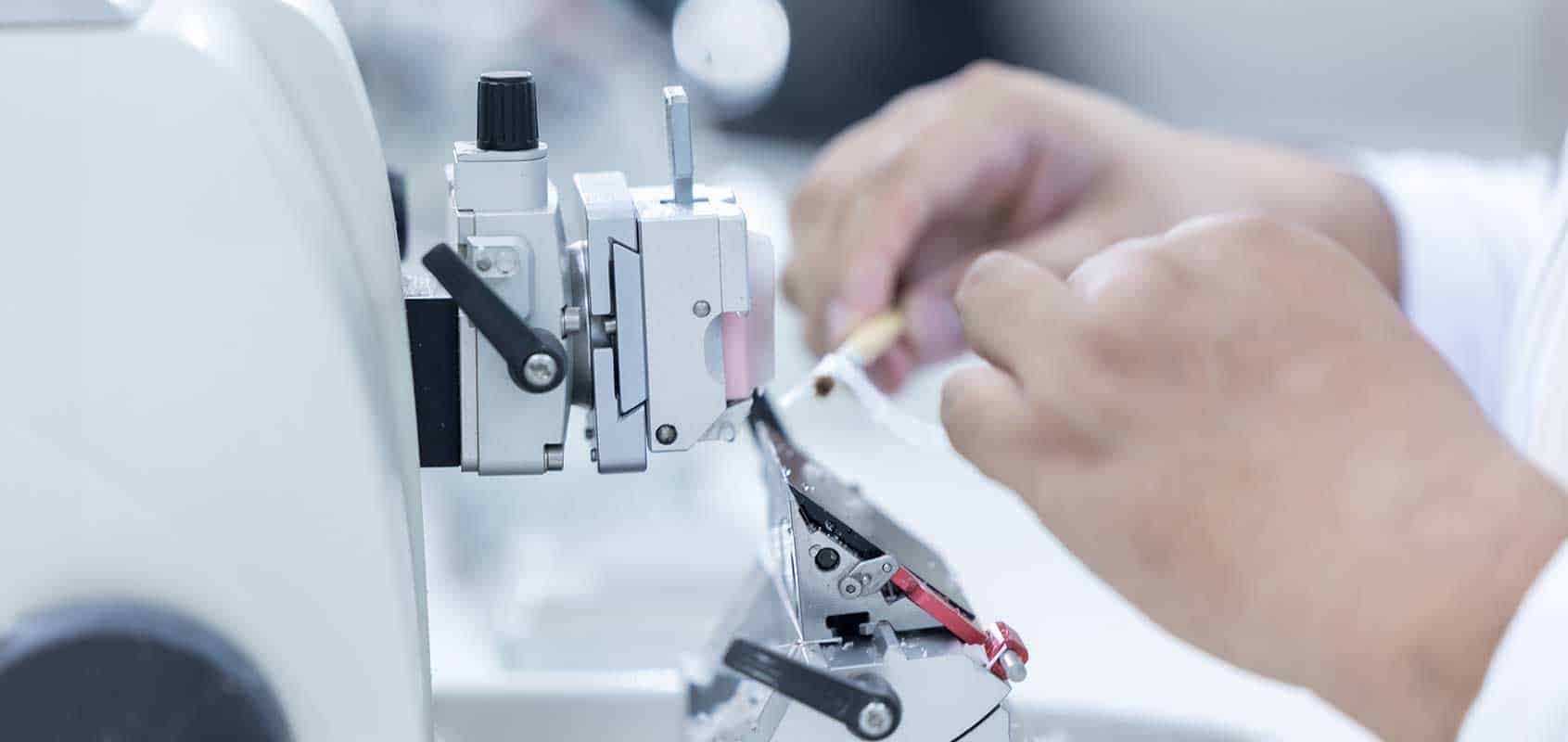
2. Inconsistent Sectioning and Chatter (Microtome Problems)
This is one of the most frequent microtome problems labs face.
Symptoms:
Causes:
How to Fix It:
Preventive Steps:
3. Compression and Wrinkling of Sections
Another common microtome problem is tissue compression during cutting.
Causes:
How to Fix It:
Preventive Steps:
4. Cryostat Issues Affecting Section Quality
Cryostats introduce a different set of challenges, especially in frozen sectioning.
Common Problems:
Causes:
Impact on Microtome Problems
Even though cryostats are separate systems, their issues often appear as:
Preventive Steps:
5. Mechanical Resistance or Hard Cutting
If a microtome feels harder to operate than usual, it’s a sign of underlying issues.
Causes:
How to Fix It:
Preventive Steps:
6. Reagent Carryover Leading to Downstream Issues
Many labs underestimate how upstream processing affects downstream cutting.
Common Problem Chain:
- Poor dehydration
- Contaminated wax
- Improper infiltration
- Microtome problems during sectioning
Preventive Steps:
Preventive Maintenance Summary
While these issues may seem separate, they are often connected. A proactive approach can eliminate common microtome problems before they start.
Key Preventive Practices:
Final Thoughts
Most histology equipment issues don’t happen suddenly; they build over time. Whether it’s contamination in tissue processors, instability in cryostats, or common microtome problems, the root cause is often preventable.
By shifting focus from reactive fixes to proactive care, labs can improve consistency, reduce downtime, and extend the life of their equipment. Understanding these problems and addressing them early ensures better section quality, more reliable workflows, and stronger overall lab performance.
For more detailed troubleshooting guidance or expert support, contact our team at Mercedes Histology Equipment to help keep your lab running at peak performance.