
Repair or Upgrade Your Cryostat? A Cost-Benefit Approach
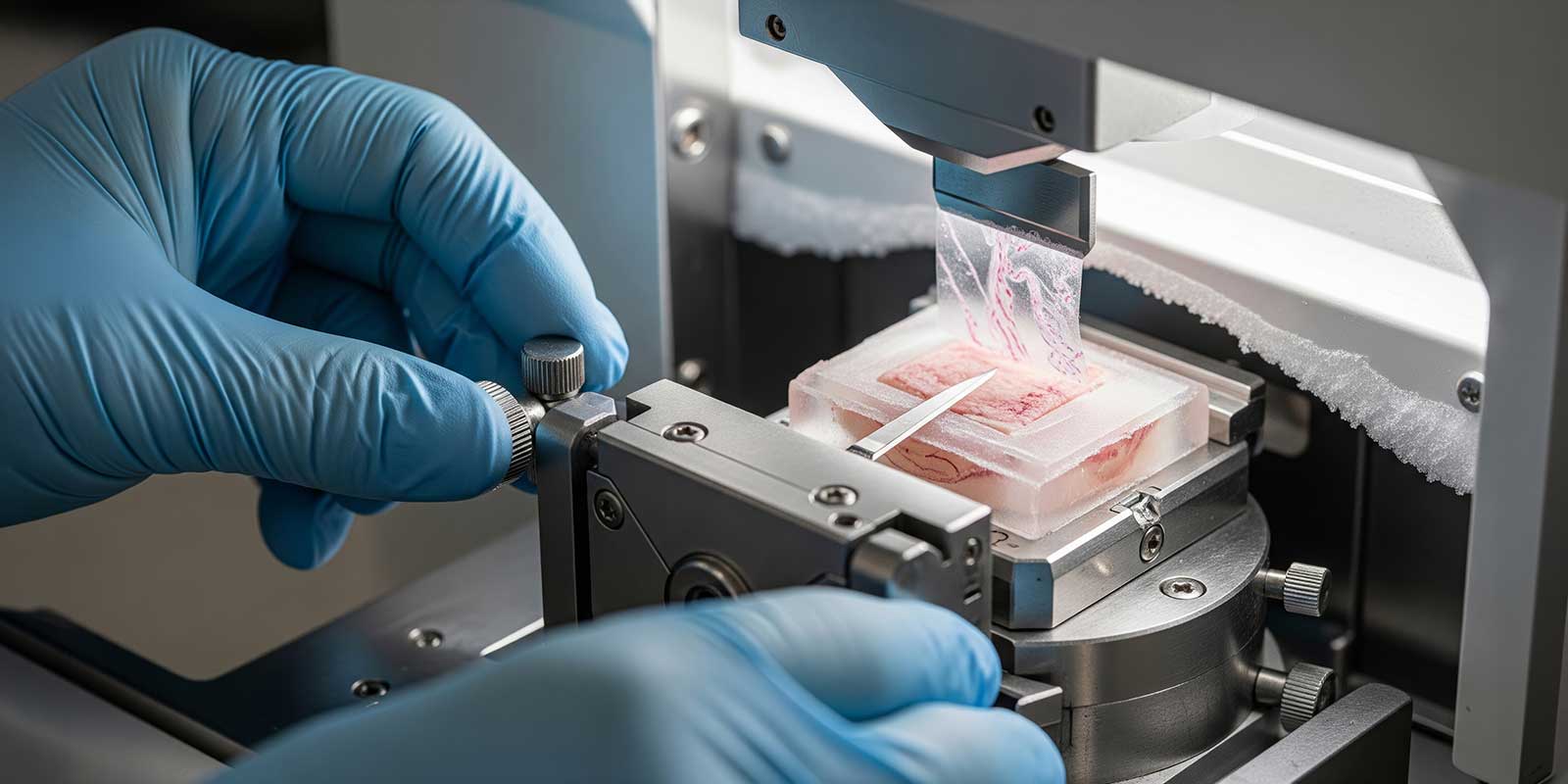
Cryostats are essential pieces of equipment in histology and pathology laboratories. They allow technicians to quickly prepare frozen tissue sections for rapid diagnosis, research, and quality assurance testing. Because these instruments are used daily, they experience normal wear and tear over time. When performance begins to decline, many laboratory managers face the same question: Should you invest in cryostat repair or is it time for a cryostat upgrade?
The answer depends on several factors, including the age of the equipment, repair history, maintenance costs, and the demands of your laboratory. While repairing an existing cryostat may appear to be the least expensive option, recurring service calls and lost productivity can make a cryostat upgrade the better long-term investment.
If your laboratory is evaluating replacement options, it’s worth exploring the latest new histology equipment available to determine whether upgrading offers better long-term value than repeated repairs.
This guide explains how to evaluate the costs and benefits of cryostat repair versus replacement, helping you make an informed decision that supports your laboratory’s budget and workflow.
Why Cryostats Matter
Cryostats are precision instruments designed to maintain low temperatures while producing high-quality frozen tissue sections. These sections are critical for intraoperative consultations, cancer diagnosis, research, and quality assurance testing.
Because frozen section results often influence immediate medical decisions, cryostats must operate consistently and reliably. Even small performance issues can lead to poor section quality, delayed diagnoses, or additional work for laboratory staff.
Whether you’re considering cryostat repair or a complete cryostat upgrade, understanding your equipment’s condition is the first step toward protecting both productivity and patient care.
Start by Evaluating the Age of Your Cryostat
Equipment age is one of the easiest factors to evaluate.
Although many cryostats remain reliable for more than a decade with proper care, older systems naturally experience increased wear. Electronics become outdated, moving components begin to loosen, and replacement parts may become harder to find.
As a general guideline:
Age alone should never determine your decision, but it provides a useful starting p

Review Your Repair History
A single repair rarely justifies replacing a cryostat.
However, frequent service calls often indicate that components are wearing out together. While replacing one part may solve today’s problem, another failure may occur shortly afterward.
Ask yourself these questions:
If the answer to several of these questions is “yes,” it may be time to compare continued cryostat repair costs with the benefits of a cryostat upgrade.
Consider the Hidden Cost of Downtime
Repair costs are only one part of the financial picture.
Unexpected downtime affects much more than the equipment itself.
A malfunctioning cryostat can lead to:
These indirect expenses often exceed the actual repair bill.
For busy pathology laboratories, minimizing downtime may justify investing in a newer system before repeated failures occur.
If repeated repairs are affecting your laboratory’s workflow, consider reviewing the selection of new and refurbished histology equipment to compare replacement costs with ongoing maintenance expenses.
Compare Repair Costs with Replacement Costs
Many organizations follow a simple guideline when evaluating laboratory equipment.
If the estimated repair approaches 40–60% of the cost of replacement, it’s often time to evaluate a cryostat upgrade.
For example:
Although repairing the existing unit may restore operation, investing half the value of a new system into aging equipment may not provide the best long-term return.
Each situation is different, but comparing repair costs to the expected remaining service life helps inform better financial decisions.
Parts Availability Matters
Older cryostats often remain mechanically sound, but finding replacement parts can become increasingly difficult.
Manufacturers eventually discontinue electronic boards, compressors, sensors, and specialty components.
Limited parts availability can result in:
If critical parts are becoming scarce, a cryostat upgrade may prevent future disruptions before they affect laboratory operations.
If you’re planning to replace aging equipment, the Histology Equipment Trade-In Program may help offset the cost of upgrading by allowing you to trade in eligible laboratory equipment.
Look Beyond Whether the Cryostat Still Runs
A cryostat doesn’t have to stop working completely before it begins affecting quality.
Many laboratories continue using equipment that technically functions but no longer performs consistently.
Warning signs include:
These symptoms often indicate declining performance rather than complete failure.

Addressing these problems early through cryostat repair may restore performance, but recurring issues may suggest it’s time to consider a cryostat upgrade.
Benefits of Newer Cryostat Technology
Modern cryostats offer several improvements over older models.
Depending on the manufacturer, newer systems may include:
These features improve productivity while creating a better working environment for laboratory personnel.
If your current cryostat lacks features that improve efficiency, upgrading it may offer operational benefits beyond simply replacing aging equipment.
You can compare available new cryostats and other histology equipment to determine whether upgrading aligns with your laboratory’s workflow and budget.
How Preventive Maintenance Can Delay a Cryostat Upgrade
Routine maintenance is one of the most effective ways to maximize equipment life.
Many cryostats that receive consistent preventive maintenance continue operating reliably for many years beyond their expected service life.
Routine maintenance should include:
These simple maintenance practices reduce unexpected failures while lowering long-term cryostat repair costs.
In many cases, preventive maintenance can delay the need for a costly cryostat upgrade by several years.
For more maintenance tips, read our guide on Preventive Maintenance for Tissue Processors, Cryostats, and Microtomes. Regular maintenance doesn’t just reduce repair costs—it also improves equipment reliability and section quality.
Signs Your Cryostat Needs Immediate Service
Some problems require immediate attention before they become major repairs. Watch for these warning signs.
Inconsistent Chamber Temperature
Temperature fluctuations often indicate refrigeration problems, faulty sensors, or failing compressors.
Excessive Frost or Ice
Ice buildup around the chamber may indicate damaged door seals, excessive humidity, or drainage issues.
Poor Section Quality
If tissue begins tearing, curling, or compressing unexpectedly, inspect both the cryostat and specimen preparation process.
Loud Mechanical Noise
Grinding, clicking, or excessive compressor noise may indicate worn mechanical components.
Increased Vibration
Vibration affects section quality and often signals loose internal assemblies or worn bearings.
Addressing these problems early can reduce both downtime and future cryostat repair expenses.
If poor frozen sections continue after servicing, the issue may not be the cryostat alone. Our article, “Common Microtome Problems and How to Fix Them,” explains how section quality is influenced by both tissue preparation and cutting equipment.
Questions to Ask Before Choosing a Cryostat Upgrade
Before purchasing a replacement unit, consider the following questions:
Answering these questions helps create an objective decision rather than relying solely on the repair estimate.
When Cryostat Repair Makes the Most Sense
Repair is often the best option when:
In these situations, cryostat repair usually provides the greatest return on investment.
When a Cryostat Upgrade Is the Better Investment
Replacement becomes more attractive when:
Although the upfront cost is higher, a cryostat upgrade often lowers long-term ownership costs while improving reliability.
Frequently Asked Questions
Final Thoughts
Choosing between cryostat repair and a cryostat upgrade is about more than fixing today’s problem. It requires evaluating the total cost of ownership, including maintenance expenses, downtime, technician productivity, and the long-term reliability of your equipment.
In many cases, preventive maintenance and timely repairs can keep a cryostat operating efficiently for years. However, when repairs become frequent, parts are no longer readily available, or equipment performance begins to affect section quality and laboratory workflow, a cryostat upgrade may be the better long-term investment.
If replacement is the right choice, Mercedes Scientific offers a wide selection of new and refurbished histology equipment, along with a convenient Equipment Trade-In Program that can help maximize your laboratory budget. For laboratory supplies, consumables, and additional histology resources, visit Mercedes Scientific.

By taking a structured cost-benefit approach, laboratory managers can make informed decisions that balance budget constraints with operational efficiency. Whether you choose to continue cryostat repair or invest in a cryostat upgrade, evaluating the full picture helps ensure your laboratory remains productive, reliable, and prepared for future demands.