Why Investing in a Coverslipper Makes Sense for Modern Labs
In histology and pathology labs, coverslipping is one of the final steps in slide preparation, but it is far from a minor one. A properly applied coverslip protects the tissue section, preserves staining quality, and ensures clear, consistent microscopic evaluation. Errors at this stage can compromise hours of work, damage preserved tissue, and delay diagnoses.
Despite its importance, many labs still rely on manual coverslipping performed by technicians. While this may seem cost-effective at first glance, manual processes often introduce variability, increase the risk of errors, and add hidden labor costs. As labs look to improve efficiency and quality control, investing in a coverslipper has become an increasingly practical and cost-effective solution.
Why Coverslipping Quality Matters
Coverslipping serves several critical functions in slide preparation:
Inconsistent coverslipping can lead to trapped air bubbles, uneven mounting media distribution, or misaligned coverslips. These issues can obscure tissue detail, interfere with diagnosis, and sometimes require slides to be remade entirely.
Because coverslipping occurs at the end of the workflow, mistakes are costly; they waste reagents, technician time, and, in some cases, irreplaceable tissue samples.
The Hidden Costs of Manual Coverslipping
Manual coverslipping is often viewed as a low-cost option, but that perception rarely holds up under closer analysis.
Labor Costs Add Up Quickly
An employee dedicated to manual coverslipping represents a significant ongoing expense. When you factor in wages, benefits, training, and turnover, the annual cost of a coverslipping technician often exceeds the cost of owning and maintaining a coverslipper.
Even when coverslipping is only part of a technician’s role, it still consumes valuable time that could be better spent on higher-skill tasks such as embedding, sectioning, or quality control.
Higher Risk of Errors
Manual coverslipping is inherently prone to human error. Common issues include:
Air bubbles are especially problematic. They can distort tissue visibility and, in some cases, damage or obscure preserved tissue, making slides unsuitable for review and potentially requiring rework.
Inconsistent Throughput
Manual processes are slower and less predictable. Productivity depends on staff availability, experience, and fatigue, creating bottlenecks that can impact overall lab turnaround times.
The Benefits of Investing in a Coverslipper
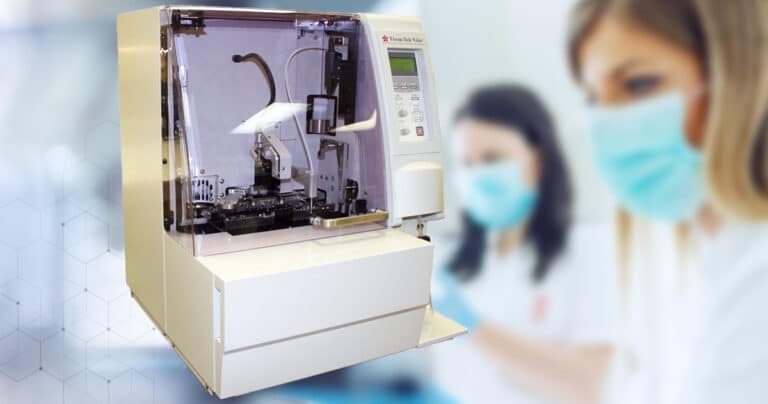
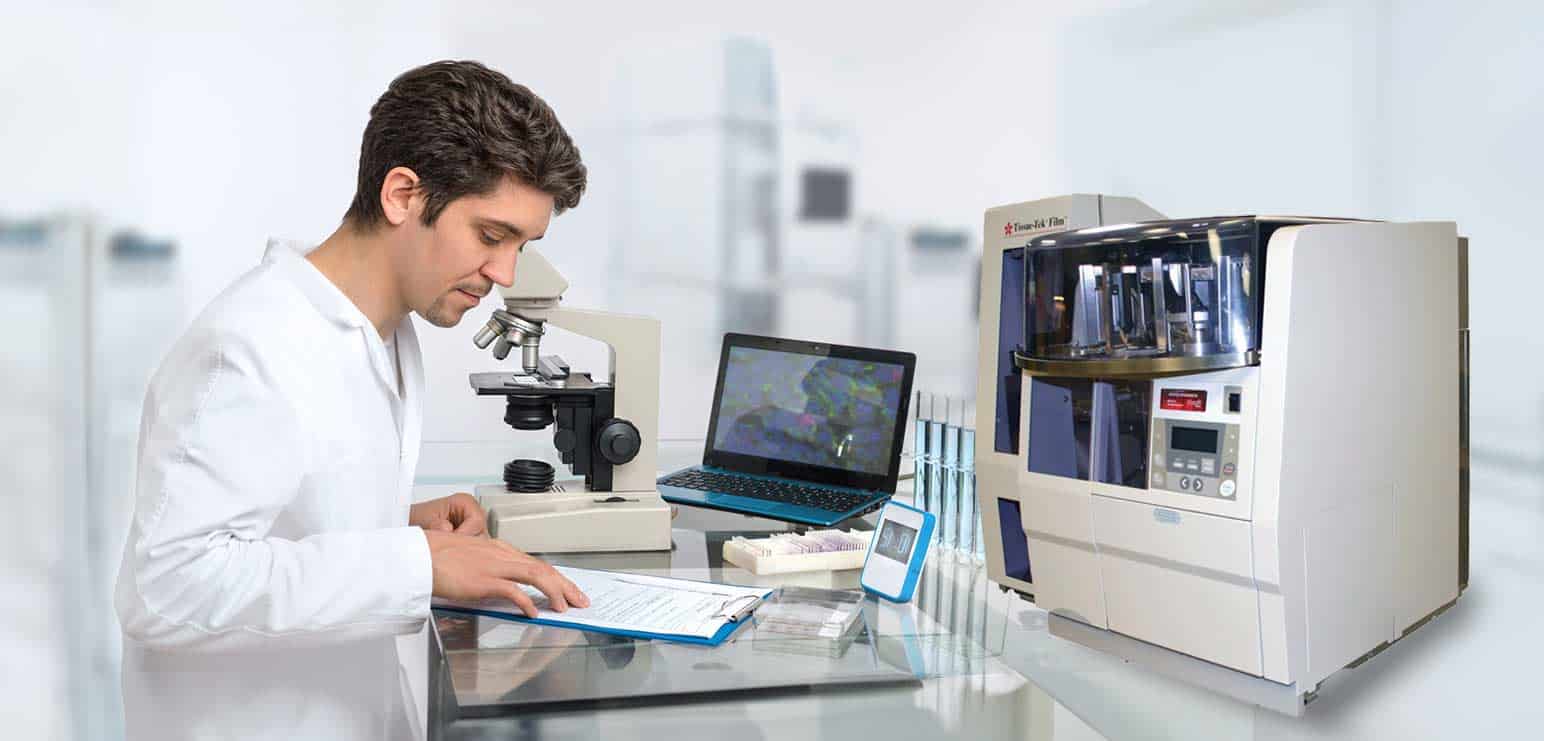
A dedicated coverslipper removes much of the variability and inefficiency associated with manual methods. By automating the coverslipping process, labs gain consistency, reliability, and long-term cost savings.
Improved Consistency and Slide Quality
Coverslippers apply mounting media and coverslips in a controlled, repeatable manner. This reduces the likelihood of air bubbles and ensures uniform slide presentation, improving diagnostic confidence and reducing rework.
Protection of Valuable Tissue Samples
Tissue samples are often irreplaceable. Automated coverslipping minimizes handling and reduces the risk of damage at the final stage of preparation, helping preserve specimen integrity.
Increased Workflow Efficiency
With coverslipping handled automatically, technicians can focus on higher-value tasks. This improves overall lab productivity without increasing staffing levels.
Reduced Dependence on Manual Labor
Automation reduces reliance on a single employee or skill set. This is especially valuable during staffing shortages, vacations, or periods of increased workload.
Refurbished Coverslippers: A Cost-Effective Entry Point
One of the biggest misconceptions about coverslippers is cost. Many labs assume automation is out of reach, but refurbished coverslipper models can start around $10,000, making them accessible to a wide range of facilities.
Refurbished equipment offers:
For many labs, refurbished coverslippers provide the ideal balance between affordability and performance.
Coverslipper vs. Employee Cost Comparison
When evaluating ROI, it’s important to compare total costs over time, not just purchase price.
Even with a full service contract, the annual cost of owning and maintaining a coverslipper is often less than the cost of employing a technician to manually coverslip slides. Unlike labor costs, equipment costs are predictable and do not increase year over year.
Additionally, a coverslipper does not call in sick, require retraining, or introduce variability due to fatigue or human error.
Service Contracts and Reliability
Modern coverslippers are designed for long-term use and reliability. When paired with a full service contract, labs benefit from:
This level of support helps ensure consistent performance and minimizes disruptions to daily workflow.
Long-Term ROI and Operational Benefits
The return on investment for a coverslipper extends beyond direct cost savings. Long-term benefits include:
For labs processing even moderate slide volumes, these advantages quickly outweigh the initial investment.
Who Benefits Most from a Coverslipper?
Investing in a coverslipper makes sense for:
Whether a lab is growing, stabilizing, or optimizing, a coverslipper supports efficiency and quality at every stage.
Final Thoughts
Coverslipping is a critical step that deserves the same attention as staining and sectioning. Relying on manual methods increases labor costs, introduces avoidable errors, and puts valuable tissue at risk.
With refurbished coverslippers starting around $10,000, and total ownership costs often lower than the cost of manual labor, investing in a coverslipper is a practical, cost-effective decision. When paired with a full-service contract, it delivers consistent performance, protects specimens, and improves overall lab efficiency.
If you want help selecting a coverslipper, comparing refurbished options, or building a lab package with minimal upfront cost, contact our team for recommendations tailored to your workflow.